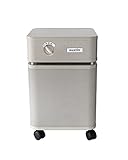
Air Purifiers
Here you’ll find top recommendations on everything for air purifiers.
*affiliate disclosure* Many of the links included on these pages are affiliate links, meaning, at no additional cost to you, I will earn a small commission if you click through and make a purchase. I only share affiliate links to products that I’ve personally vetted and personally believe in, so you can shop with confidence!

What To look For In An Air Filter
The goal is not perfection but rather to make air quality better. With a few exceptions, any air filter will make the air quality in a home better.
Sometimes I get asked what the “best” filter is, and that’s hard to answer because it can depend on what a person’s main priorities are but in this section I have some excellent options.
If the goal is to improve allergy symptoms and minimize dust, you want a unit with a robust HEPA filter.
This also goes for someone who is immunocompromised, as HEPA filters do a good job with viruses.
If the goal is to tackle chemical gasses (VOCs), you want a unit with carbon.
While any amount of carbon is great, more is better! Most filters average around 1lb of granular carbon, whereas more robust filters can have between 8-15 pounds per unit.
When it comes to wildfire smoke, you need both types of filtration.
- HEPA filter is needed to capture particulate. HEPA traps particles down to 0.3 microns. Some filters can capture even smaller particles, which is great.
- Activated Carbon is needed to capture the VOCs produced by wildfires, which can be very harmful. Any carbon is better than no carbon, but ideally a unit has 10+ pounds of carbon. Austin Air, Air Pura, and IQAir are all brands that make models with HEPA & 10+ pounds of carbon.
Some units have more features than others; sensors that kick the filter to a higher setting if it identifies increased particulates, timers, ionizers, etc. Most of these are nice-to-have’s not need-to-have’s.
What about filters with Ion/Ionizer settings?
Some air filters have an ionizer setting that, when turned on, releases negatively charged ions into the air that attach to dust, pollen, and other pollutants, causing them to fall to the ground or get stuck to surfaces (like walls, furniture, etc.)
They don’t “capture” anything – those particles are still present in the space, they are just not in the air.
The bigger issue is that ionizers also generate and release ozone, which is a respiratory irritant and can lead to coughing, chest pain, shortness of breath, as well as reduced lung function and worsening asthma from long-term exposure.
Some excellent filter brands come with an ionizer setting but I just instruct clients not to use it.
What about filters with PCO/PECO technology?
PECO or photoelectrochemical oxidation is a technology that claims to destroy VOC molecules and kill mold and viruses.
PECO air filters typically have a HEPA filter and a special additional filter that is coated with a catalyst, typically titanium dioxide. These Ti coated filters are then exposed to UV light that oxidizes the VOCs and breaks them down into less harmful molecules.
The problem is that this Ti + UV process can create secondary pollutants. According to Consumer Reports, PECO technology can “react with some pollutants to generate other dangerous byproducts, such as ozone, formaldehyde, nitrogen dioxide, and carbon monoxide.”
For this reason, I don’t recommend this type of air filter.
Air Purifiers

Their filters come with sensors, timers, a dim setting for sleep, and a notification when it’s time to change filters – all of which I appreciate. These units do have an ionizer option – just don’t use it.
My Lower Tox Living Community can save up to $300 off of website prices using this link:
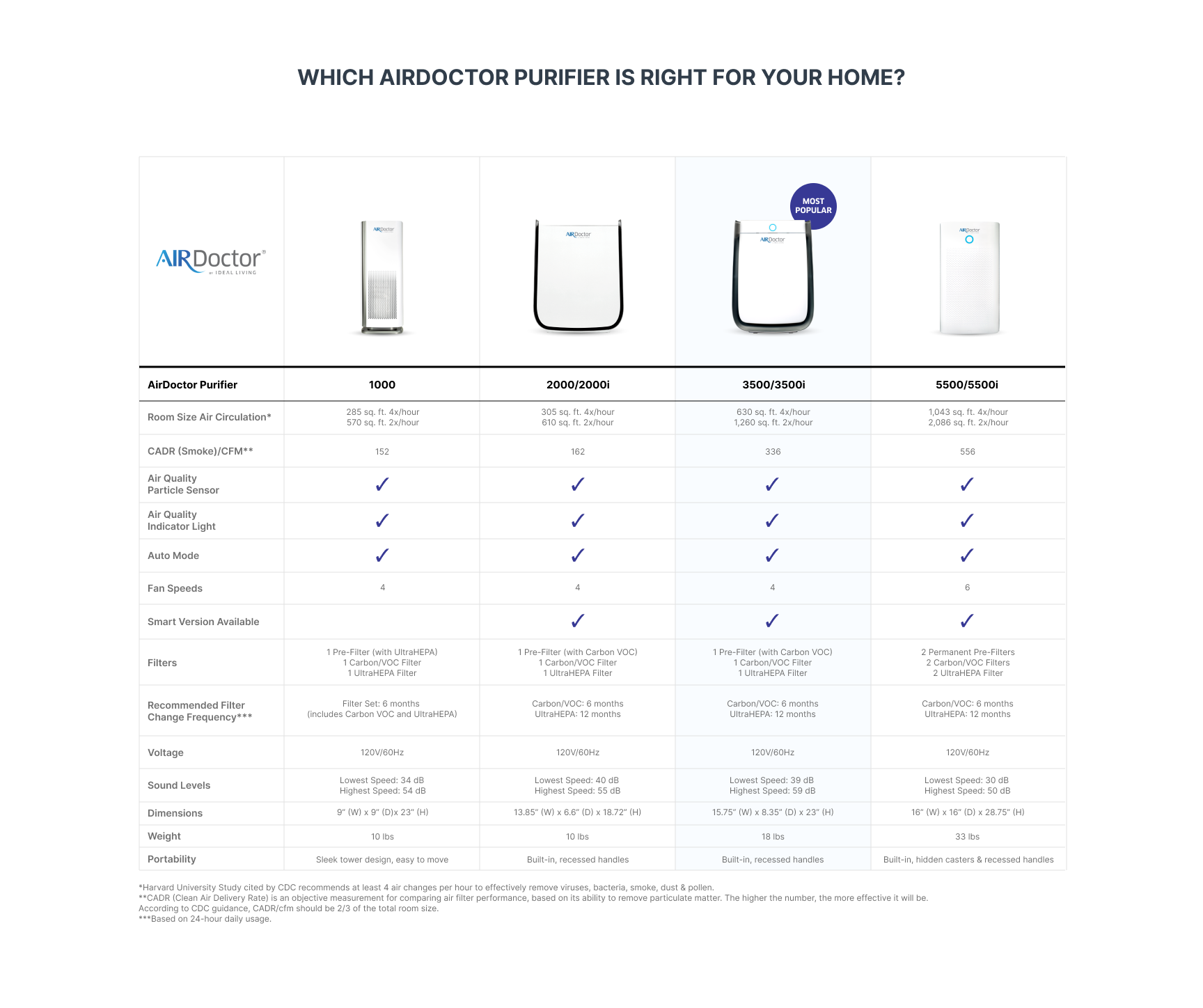
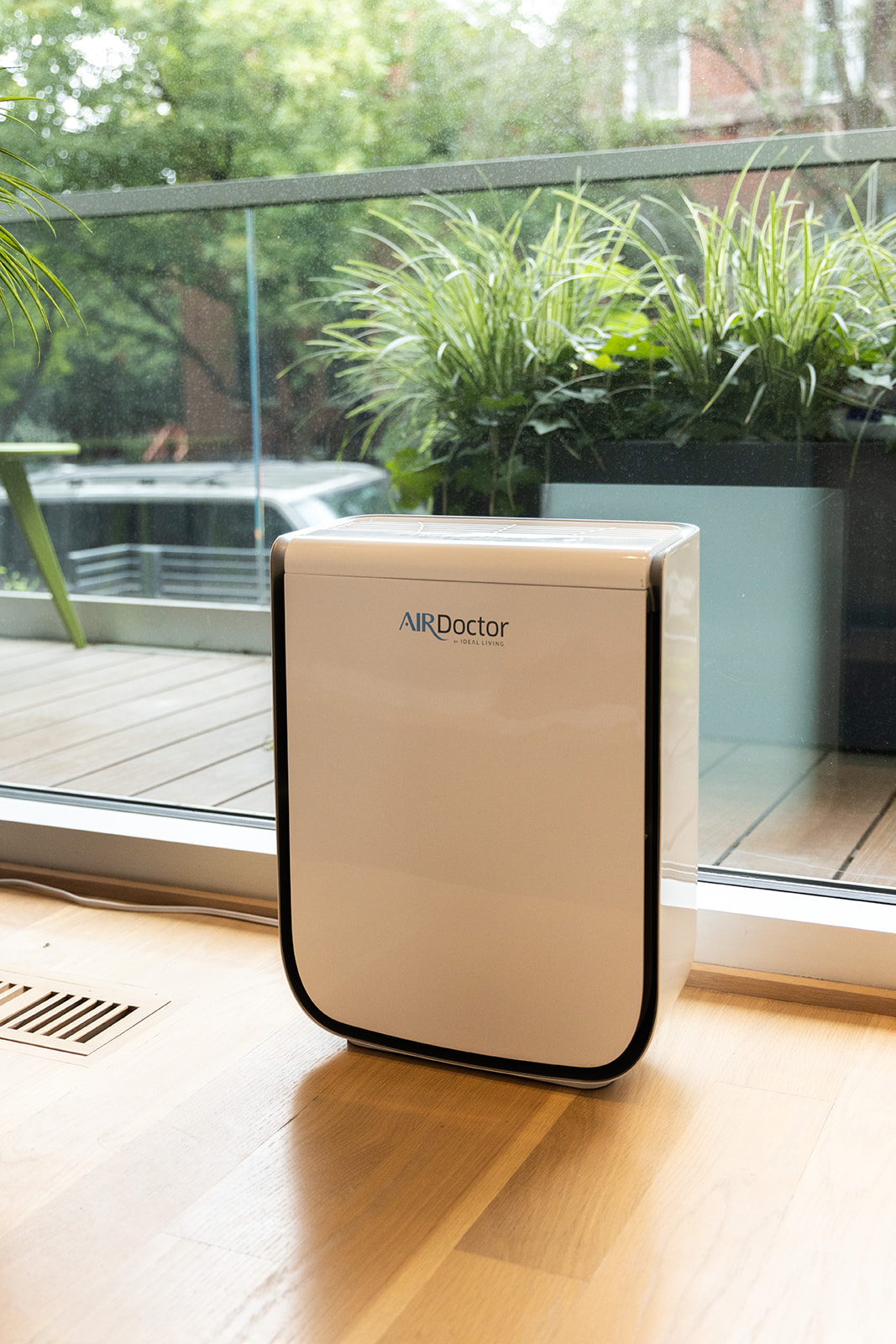

This static-cling technology acts like a magnet combining together individual particles so they’re too big to get through the filters. Intellipure filters effectively attract microscopic particles, trap them and keep them out of your breathing space.
Use this link plus the code LTL10 for 10% off of your first Intellipure purchase.

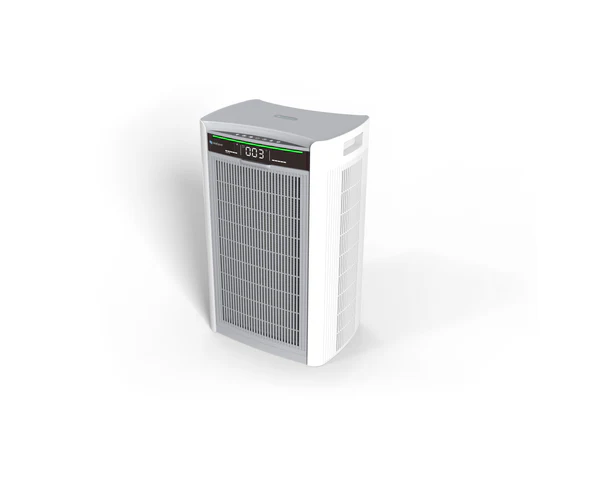
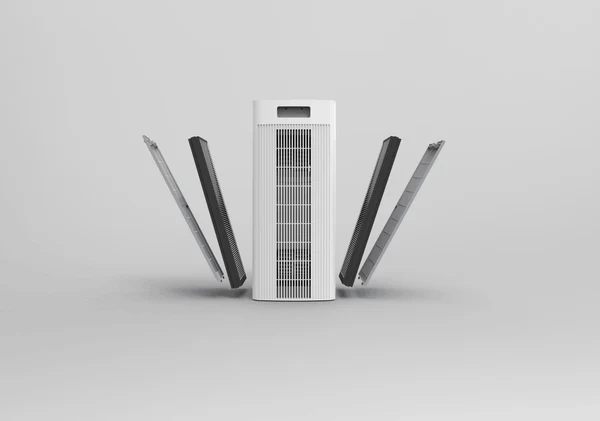

Remember to compare filter replacement frequency and cost when assessing what fits into your overall budget. Some units cost more upfront but have less frequent filter changes. Others are less upfront but you’ll spend more in filter replacement costs over time.


IQAir Health Pro Compact
Email me for a special offer
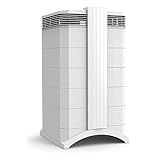

IQAir Health Pro Plus
Email me for a special offer